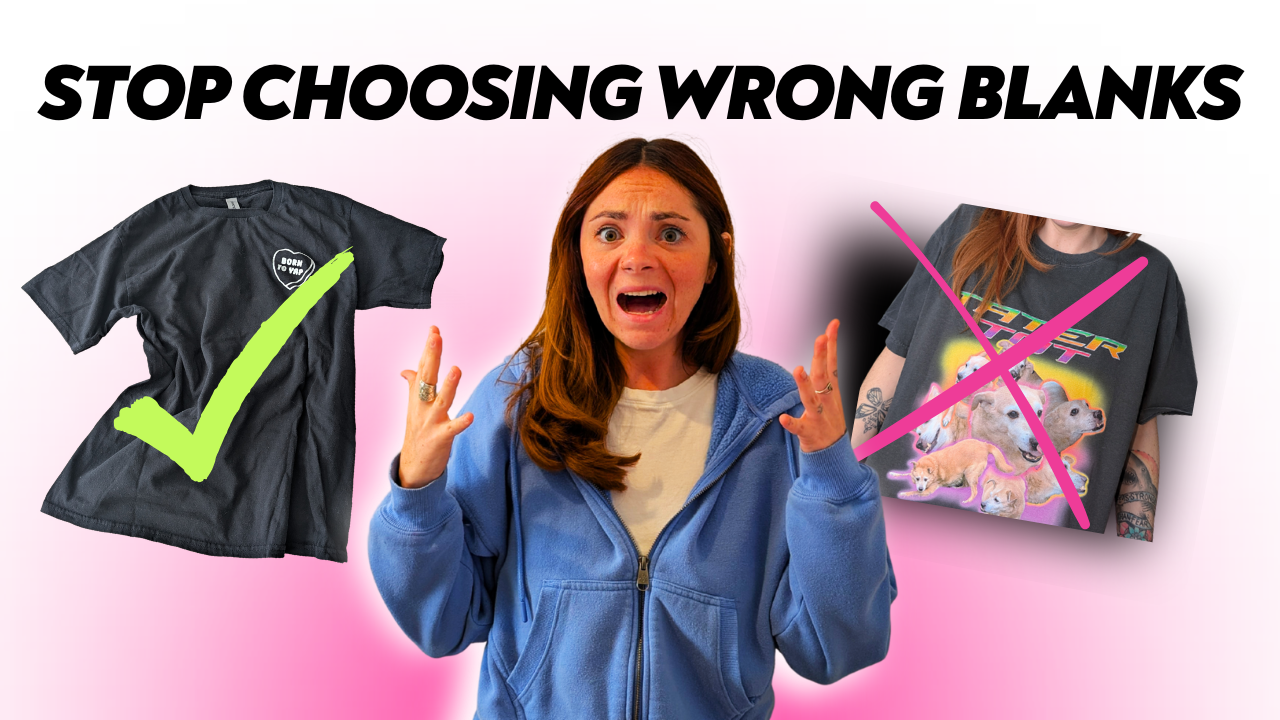
One of the fastest ways to ruin a print-on-demand brand is choosing low-quality blanks that feel cheap, shrink after one wash, or fit inconsistently. The Ultimate POD Fabric and Fit Comparison Guide
In the world of print on demand, your blank garment is not just a product, it is your reputation.
While many sellers obsess over profit margins, successful long-term brands prioritize customer experience, fabric quality, durability, and fit consistency. That is what creates repeat buyers, glowing reviews, and sustainable growth.
Why Your Blank Choice Matters More Than Your Design
Many beginners believe the design is everything.
But customers remember:
- How soft the shirt felt
- Whether it shrank
- How the neckline held up
- If the fit matched expectations
- Whether the fabric stayed comfortable over time
- if the products smells weird
- if the printing faded or cracked or peeled after a few washes
Even amazing artwork cannot save a poor-quality blank.
A great blank creates:
- Higher perceived value
- Better customer reviews
- Lower refund rates
- Stronger brand loyalty
- Increased repeat purchases
Understanding Fabric Types in POD
Before choosing garments, it is important to understand the differences between major fabric categories.
Heavyweight Cotton
Heavyweight cotton is thicker, more structured, and often considered premium.
Best for:
- Streetwear brands
- Vintage aesthetics
- Oversized fits
- High-end graphic apparel
- DTG or Direct to Garment printing
Pros:
- Durable
- Premium feel
- Better structure
- Long-lasting prints
Cons:
- Higher production cost
- Slightly less breathable
- Longer drying times
Heavyweight blanks often appeal to customers willing to pay more for quality.
Tri-Blend Fabrics
Tri-blends combine:
- Cotton
- Polyester
- Rayon
These fabrics are extremely soft and lightweight.
Best for:
- Lifestyle brands
- Casual apparel
- Athletic-inspired products
- Everyday comfort
- DTF or Direct to Film Printing
Pros:
- Soft feel
- Lightweight
- Excellent drape
- Comfortable fit
Cons:
- Less structured
- Can pill over time
- May feel thinner
Tri-blends perform especially well for relaxed, comfort-focused brands.
The Ultimate POD Fabric and Fit Comparison Guide
Ringspun Cotton
Ringspun cotton is smoother and softer than standard cotton due to the spinning process used during manufacturing.
Benefits include:
- Softer texture
- Better print quality
- Improved durability
- More premium appearance
For many POD brands, ringspun cotton provides the best balance between affordability and customer satisfaction. Comfort Colors is the KING of Ring Spun 100% cotton tees
The Truth About Cheap Blanks
Ultra-cheap blanks often create hidden costs:
- More customer complaints
- Increased refunds
- Poor reviews
- Lower conversion rates
- Reduced repeat purchases
Saving a few dollars per garment can damage long-term brand trust.
The goal is not maximum short-term profit.
The goal is building a store customers confidently buy from again and again.
Fit Types Every POD Seller Should Understand
Retail Fit
Retail fit garments offer a modern, slightly fitted silhouette.
Best for:
- Most Etsy shops
- Modern fashion brands
- Everyday wear
- Clear distinction between Mens and Womens options and fitting
This is often the safest choice for broad audiences. The Ultimate POD Fabric and Fit Comparison Guide
Relaxed or Oversized Fit
Oversized apparel continues dominating fashion trends in 2026.
Best for:
- Streetwear
- Gen Z audiences
- Vintage-inspired brands
- Unisex fit
These styles typically pair well with heavyweight cotton.
Athletic Fit
Athletic fits contour closer to the body and work well for fitness-oriented brands.
However, sizing consistency becomes extremely important to avoid returns. This is where ordering samples BEFORE launching your shop come in handy! And then having a variety of ACTUAL models to model in and essentially test the fit prior to launch as well
Testing Blanks Before Scaling
Again, one of the smartest things a seller can do is order samples before launching products.
Test:
- Shrinkage
- Print durability
- Fabric softness
- Collar quality
- Sleeve length
- Overall fit
- Smell of fabric
Even small differences dramatically impact customer satisfaction.
Best Strategy for Long-Term POD Growth
Instead of chasing the cheapest possible production cost:
- Focus on premium feel
- Build trust
- Encourage repeat buyers
- Increase perceived value
Customers are far more likely to recommend a brand that consistently delivers quality products. And maybe that ends up with you NOT selling apparel, but selling non apparel items instead!
The Ultimate POD Fabric and Fit Comparison Guide
Using Gelato to Simplify Product Testing
This allows sellers to:
- Compare fabrics
- Test sizing
- Launch faster
- Improve quality control
- Expand product offerings confidently (You can literally add the same design to multiple products at once!)
The ability to test quickly without large upfront investment is one of the biggest advantages of modern print-on-demand.
Final Thoughts
Your blank products are the foundation of your brand.
A weak blank creates disappointed customers. A premium blank creates loyalty. And the difference WILL make or break your shop, especially if you’re just starting!
The best POD businesses in 2026 are prioritizing:
- Comfort
- Durability
- Fit consistency
- Premium perception
When customers love how a garment feels, they come back for more.